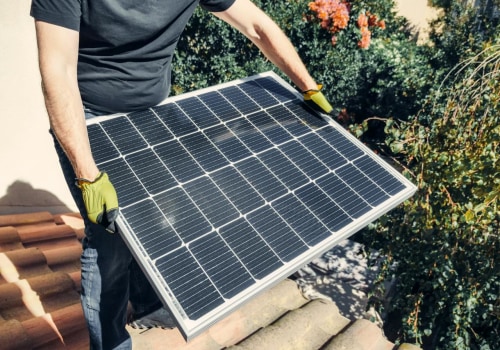
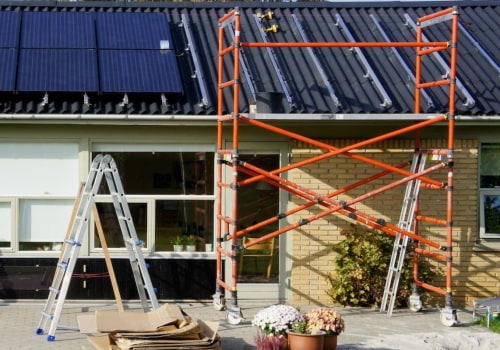
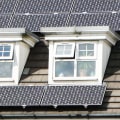
Installing solar panel roofing is a forward-thinking upgrade that improves energy efficiency and reduces reliance on traditional power sources. However, many homeowners overlook the role plumbing plays in ensuring a successful installation. Roofs are not just structural elements for solar panels—they also house important plumbing features such as vent stacks, drainage pathways, and flashing systems that protect against water intrusion. When solar panels are added, these components must be carefully evaluated and integrated into the design to prevent disruptions. Understanding how plumbing and roofing systems intersect is essential for achieving both energy performance and long-term structural integrity.
Managing Roof Penetrations and Vent Placement
One of the most critical plumbing factors to consider is the presence of roof penetrations, including plumbing vents and exhaust outlets. These features are essential for maintaining proper airflow within the plumbing system, and their placement must remain unobstructed. Solar panel layouts need to be designed around these elements to ensure continued functionality. Improper placement can lead to restricted airflow, potential sewer gas buildup, or even moisture issues. Homeowners often benefit from conducting a Southlake plumbing inspection before installation to identify any vulnerabilities or adjustments needed to accommodate the solar array. This step helps ensure that both systems operate efficiently without interfering with one another.
Ensuring Proper Drainage and Water Flow
Solar panels can alter how water flows across the roof, making drainage a key consideration during installation. Plumbing systems that manage roof runoff, including gutters and downspouts, must be evaluated to ensure they can handle any changes in water distribution. Poor drainage can lead to water pooling around plumbing vents or other roof features, increasing the risk of leaks and long-term damage. Proper planning ensures that water continues to flow away from the roof effectively, protecting both the solar panels and the underlying plumbing infrastructure.
Preventing Leaks and Protecting System Integrity
Another important factor is preventing leaks around areas where solar panels are mounted. The installation process often involves attaching hardware to the roof, which can create potential entry points for water if not properly sealed. These areas may be located near plumbing vents or other critical components, making it essential to use high-quality flashing and sealing techniques. Protecting these connections helps maintain the integrity of both the roofing and plumbing systems, reducing the likelihood of costly repairs. Regular inspections after installation further ensure that all components remain secure and functional.
Long-Term Benefits of Coordinated Planning
Taking plumbing factors into account when installing solar panel roofing offers significant long-term benefits. A well-integrated system ensures efficient energy production while maintaining proper drainage, ventilation, and structural protection. This coordinated approach reduces maintenance needs, prevents water-related issues, and enhances the overall durability of the home. By addressing both solar and plumbing considerations during the planning phase, homeowners can create a reliable and sustainable system that supports their investment for years to come.